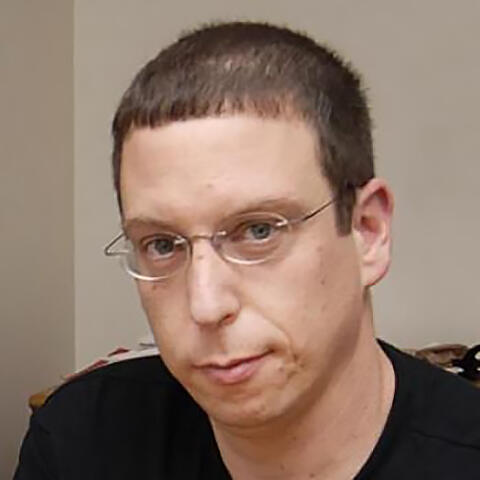
Dan Boneh on quantum computing
A podcast conversation that covers 'Quantum Computing: What, When, Where, How’
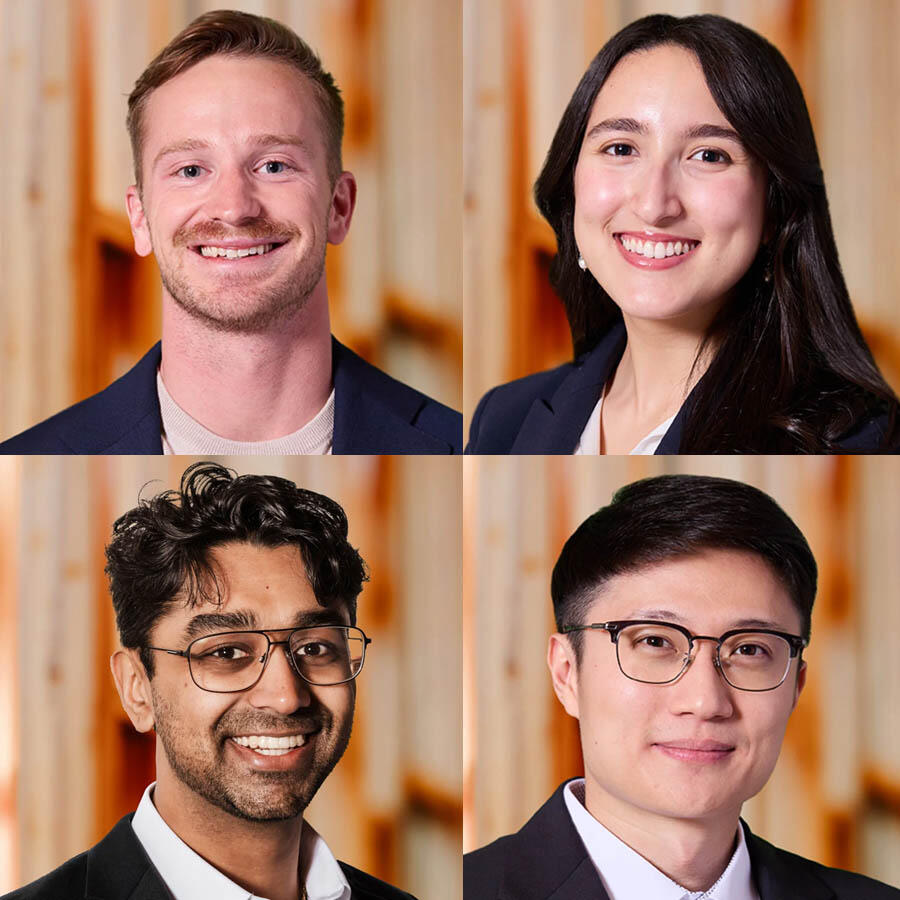
Welcome to the 2025 Knight-Hennessy Scholars cohort
The 84 scholars in the 2025 cohort come from 25 countries, including the first scholars with citizenship from Cameroon, Haiti, Kazakhstan, Spain, Sudan, and Tunisia.
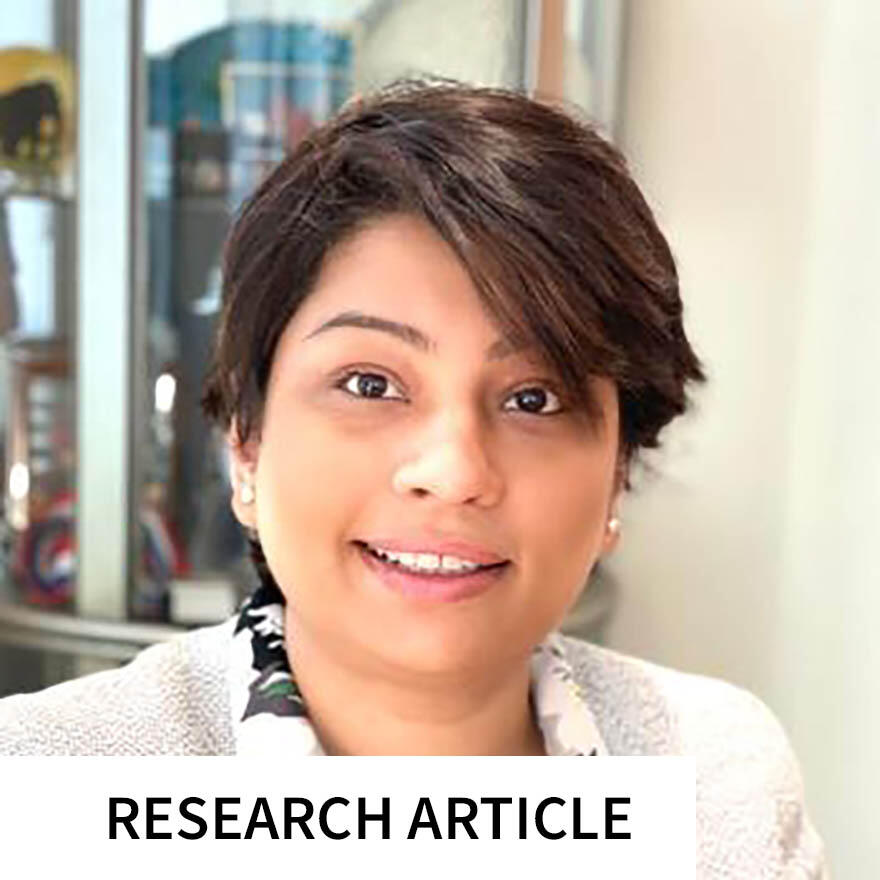
Systematic investigation of AlGaN channels on AlN/sapphire substrates using metal–organic chemical vapor deposition (MOCVD): Toward higher crystallinity and lower surface roughness
Research Article: Srabanti Chowdhury, Hadi Sena, et al. APLC Materials, May 02, 2025. https://doi.org/10.1063/5.0259002.
research paper • research • Faculty • student • 2025
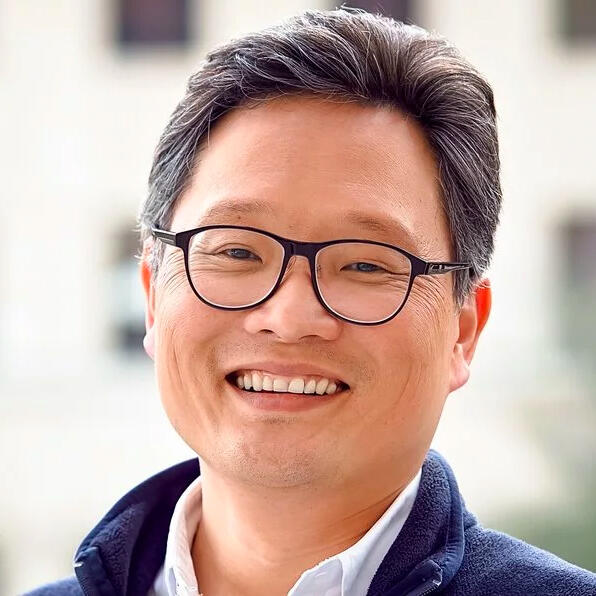
Tom Soh named the W.M. Keck Foundation Professor
His research is in analytical biotechnology, especially in high-throughput screening, directed evolution, and integrated biosensors.
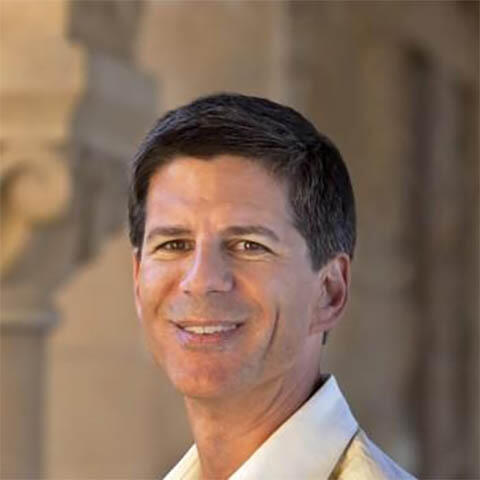
Joseph Kahn appointed the Harald Trap Friis Professor
His research addresses communication and imaging through optical fibers.
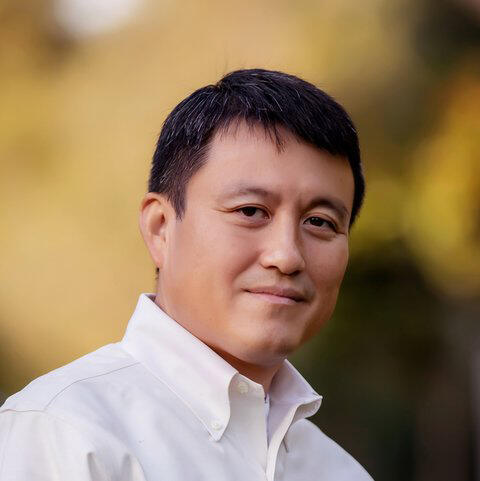
Shanhui Fan elected to the National Academy of Sciences (NAS)
In recognition of his distinguished and continuing achievements in original research.
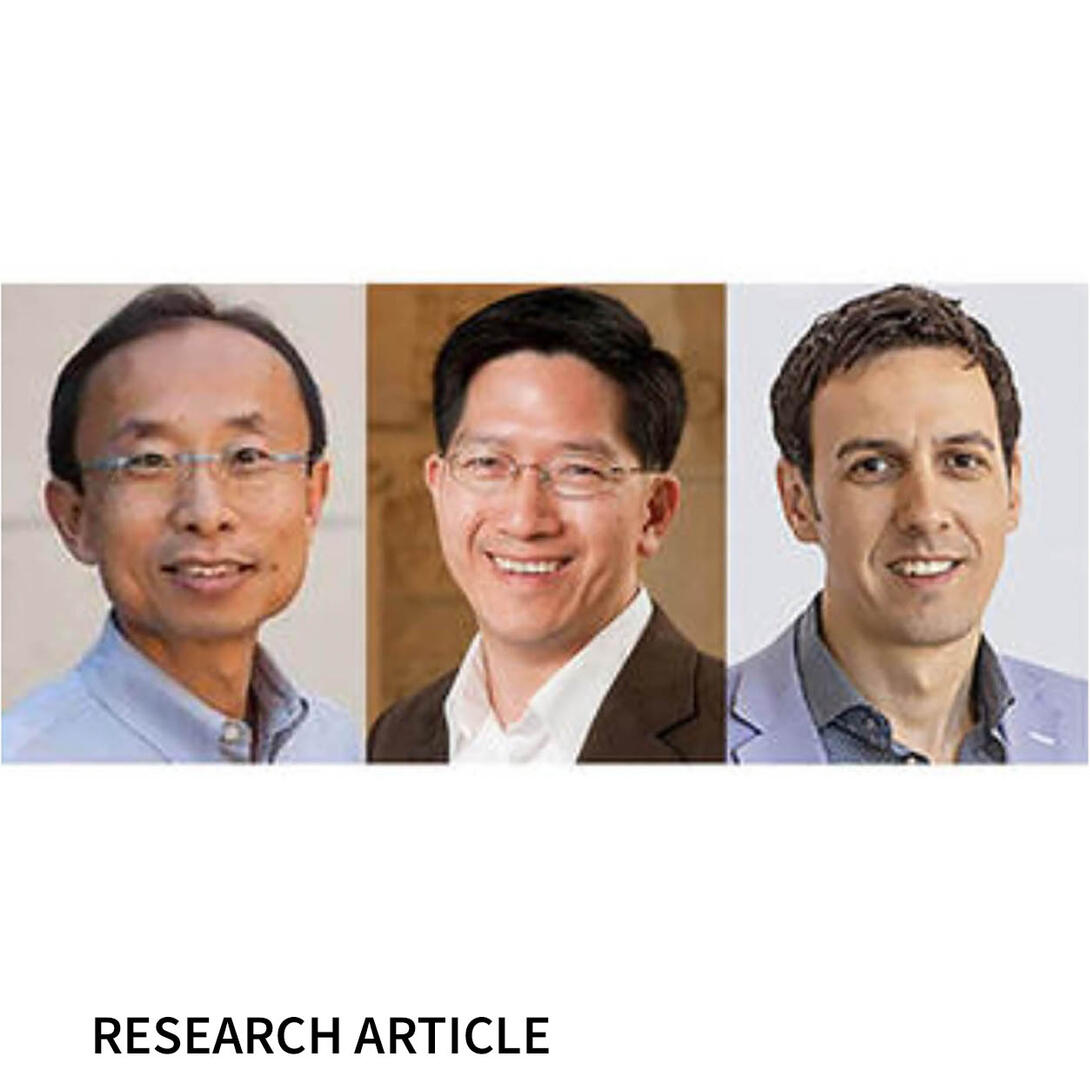
High-Field Breakdown and Thermal Characterization of Indium Tin Oxide Transistors
Research Article: Haotian Su, Yuan-Mau Lee, Tara Peña, Sydney Fultz-Waters, Jimin Kang, Çağıl Köroğlu, Sumaiya Wahid, Christina J. Newcomb, Young Suh Song, H.-S. Philip Wong, Shan X. Wang, and Eric Pop, 4/21/2025. https://doi.org/10.1021/acsnano.5c01572
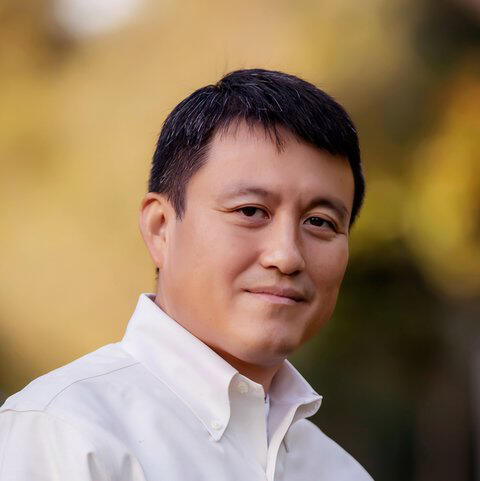
Shanhui Fan’s moonlight solar panels enables electricity generation at night
The team has developed a method to harness the natural process of radiative cooling, allowing solar panels to convert the night sky into a power source.
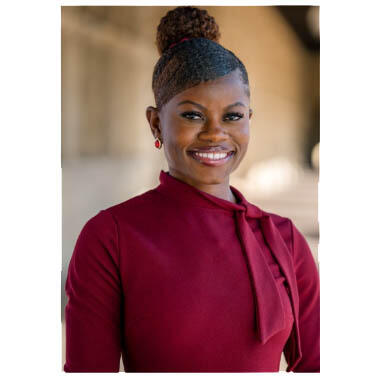
Favour Nerrise (PhD candidate) wins Stanford's inaugural Three Minute Thesis (3MT) competition
Her presentation was on artificial intelligence and early brain disease detection.
End-to-end design of multicolor scintillators for enhanced energy resolution in X-ray imaging
Research Article: Shanhui Fan, et al. Light: Science & Applications, April 11, 2025. https://doi.org/10.1038/s41377-025-01836-8.
research paper • research • Faculty • 2025